AI Tools

Comprehensive reviews and comparisons of the best AI tools across writing, image, video, voice, SEO, and coding categories.

OpenClaw vs n8n vs Zapier vs Make: Which AI Automation Platform Is Right for You in 2026

 Three months ago, I was running Zapier automations, an n8n self-hosted instance, and OpenClaw simultaneously. Each one was supposed to “handle AI automation.” Each one did a completely different thing. I was paying for two and spending more time maintaining the third than actually using it. That mess forced a real comparison. Not a

OpenClaw vs n8n vs Zapier vs Make: Which AI Automation Platform Is Right for You in 2026 Read More »

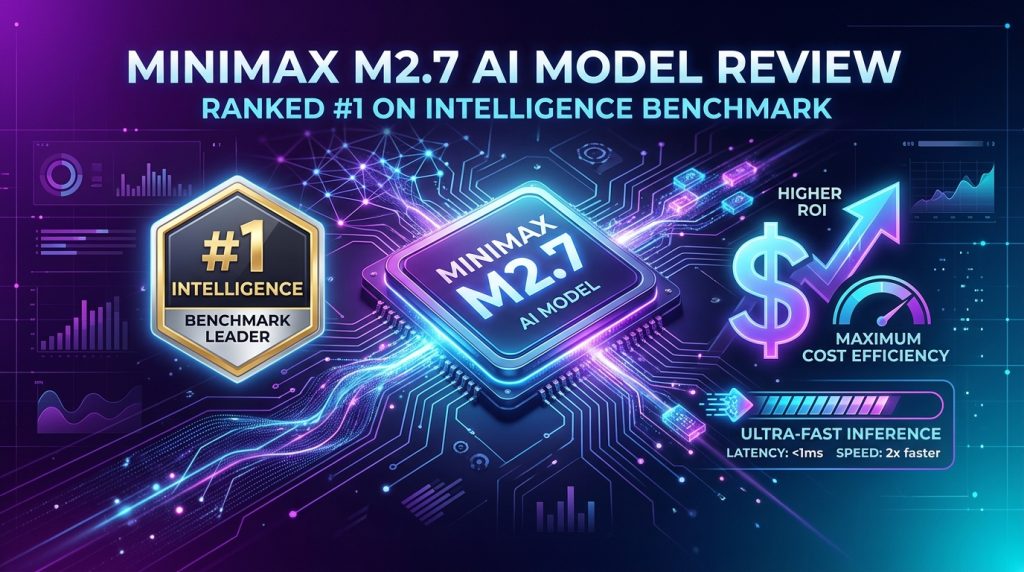
MiniMax M2.7 Review 2026: The Best Affordable Frontier Model (Ranked #1 Intelligence at $0.30/M Tokens)

Rating: 8.7/10 ⭐⭐⭐⭐⭐⭐⭐⭐⭐ What Is MiniMax M2.7? MiniMax M2.7 is a proprietary large language model released on March 17, 2026 by MiniMax, a Shanghai-based AI lab that’s been quietly shipping competitive frontier models since 2021. M2.7 is a direct successor to MiniMax M2.5 (released just weeks earlier in February 2026) and represents a significant architectural

MiniMax M2.7 Review 2026: The Best Affordable Frontier Model (Ranked #1 Intelligence at $0.30/M Tokens) Read More »

OpenClaw Advanced Configuration — workspace files, custom personas, and multi-model routing guide

OpenClaw Advanced Configuration Guide: Workspace Files, Custom Personas and Multi-Model Routing (2026)

You installed OpenClaw. It works. But right now, it’s still a generic AI assistant — it doesn’t know your priorities, your communication style, your tools, or what “just handle it” means to you. That’s not a limitation of the software. That’s a configuration problem. And it has a very specific solution. OpenClaw’s workspace configuration system

OpenClaw Advanced Configuration Guide: Workspace Files, Custom Personas and Multi-Model Routing (2026) Read More »

Xiaomi MiMo-V2-Pro Review 2026: The Stealth Model That Fooled the AI Community (1T Parameters)

Xiaomi MiMo-V2-Pro Review 2026: The Stealth Model That Fooled the AI Community (1T Parameters) On March 11, 2026, an anonymous AI model called “Hunter Alpha” appeared on OpenRouter and immediately started climbing the usage charts. For a week, the AI community was convinced they were testing DeepSeek V4. Then Xiaomi dropped the mic: it was

Xiaomi MiMo-V2-Pro Review 2026: The Stealth Model That Fooled the AI Community (1T Parameters) Read More »

OpenClaw for Solopreneurs: How One Person Can Run an AI-Powered Business Stack (2026)

You’re running a business by yourself. There’s nobody to hand things off to, nobody to cover when you’re unavailable, and nobody to remind you that you forgot to post on LinkedIn this week — again. That’s the solopreneur reality, and it’s why most solo operators spend more time on operational busywork than on the actual

OpenClaw for Solopreneurs: How One Person Can Run an AI-Powered Business Stack (2026) Read More »

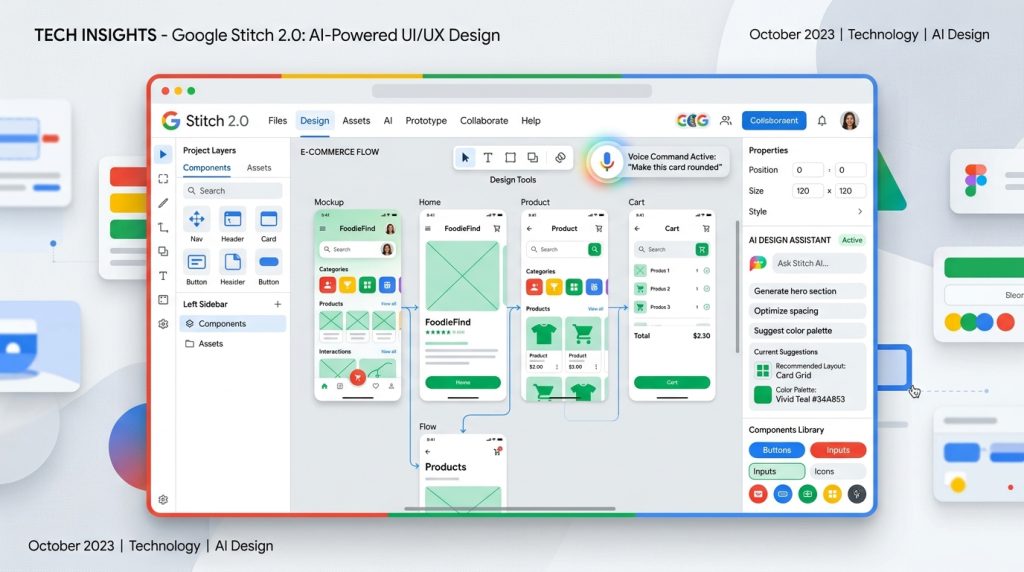
Google Stitch 2.0 Review 2026: Google Labs’ Free AI UI Builder That Turns Sketches Into Prototypes

When Google released Stitch 2.0 on March 17, 2026, Figma’s stock dropped the same day — not because Stitch is better than Figma, but because it signals where the entire design industry is heading, and Google just made it free. Four days in, the “vibe design” framing is already everywhere, but almost nobody is talking

Google Stitch 2.0 Review 2026: Google Labs’ Free AI UI Builder That Turns Sketches Into Prototypes Read More »

GPT-5.4 Mini & Nano Review 2026: OpenAI’s Most Capable Small Models Yet (2X Faster, Near-Flagship Performance)

GPT-5.4 Mini & Nano Review 2026: OpenAI’s Most Capable Small Models Yet (2X Faster, Near-Flagship Performance) On March 17, 2026, OpenAI quietly released two models that could reshape how developers deploy AI at scale: GPT-5.4 mini and GPT-5.4 nano. While everyone’s been fixated on the race for bigger, more powerful models, OpenAI just proved that

GPT-5.4 Mini & Nano Review 2026: OpenAI’s Most Capable Small Models Yet (2X Faster, Near-Flagship Performance) Read More »

OpenClaw Memory System — Mem0 and LCM architecture diagram for persistent AI memory

OpenClaw Memory System Explained: How Mem0 and LCM Give Your AI a Persistent Brain (2026)

Most AI assistants have the memory of a goldfish. You spend 20 minutes explaining your business, your stack, your preferences — and next session it’s like you never met. You start over. Again. It’s not just annoying, it’s expensive: every context-rebuilding session is tokens you’re paying for and time you’re not getting back. OpenClaw solves

OpenClaw Memory System Explained: How Mem0 and LCM Give Your AI a Persistent Brain (2026) Read More »