Midjourney is the most recognizable name in AI image generation — and one of the most polarizing. With V7 out in April 2025 and strong competition from Leonardo AI and DALL-E 3, the platform keeps improving, but its reputation for poor customer support and a complex Discord-based workflow has left many users questioning whether it’s still worth the premium.
Midjourney has been the gold standard in AI image generation since its open beta launch in July 2022. With V7 dropping in April 2025 and the Niji 7 anime model landing in January 2026, the platform keeps evolving. But in a market where Leonardo AI offers 1,500+ images for less money, ChatGPT now generates surprisingly good images for free, and Flux Pro APIs cost pennies per image — is Midjourney still worth the premium?
Based on our research into user reviews, pricing structures, and feature comparisons, the answer is more nuanced than “yes” or “no.” Here’s what we found after digging through hundreds of user experiences, Trustpilot reviews, Reddit threads, and direct documentation.
What Is Midjourney, Exactly?
Midjourney is a text-to-image AI generator created by Midjourney, Inc., an independent research lab based in San Francisco. It was founded by David Holz, who previously co-founded Leap Motion (the hand-tracking hardware company). The tool launched into open beta on July 12, 2022, and according to Holz, the company was already profitable by August of that year — a rare feat in the AI startup world.
At its core, you type a text description — called a “prompt” — and Midjourney generates images based on that description. Think of it like having a hyper-talented digital artist who works in seconds but interprets your instructions creatively rather than literally. That “creative interpretation” is both its superpower and its biggest frustration, depending on what you’re trying to do.
The platform originally operated exclusively through Discord — yes, the chat app gamers use. You’d type commands like /imagine into a Discord channel, and a bot would spit back four image variations. In August 2024, Midjourney finally launched a proper web interface, which consolidated tools like image editing, panning, zooming, region variation, and inpainting into one place. It was a long-overdue move that brought the tool closer to competitors who had native web apps from day one.
Midjourney V7: What’s New in the Latest Version
Midjourney V7 launched in alpha on April 4, 2025, and it represents a meaningful leap forward. Here’s what the upgrade brought:
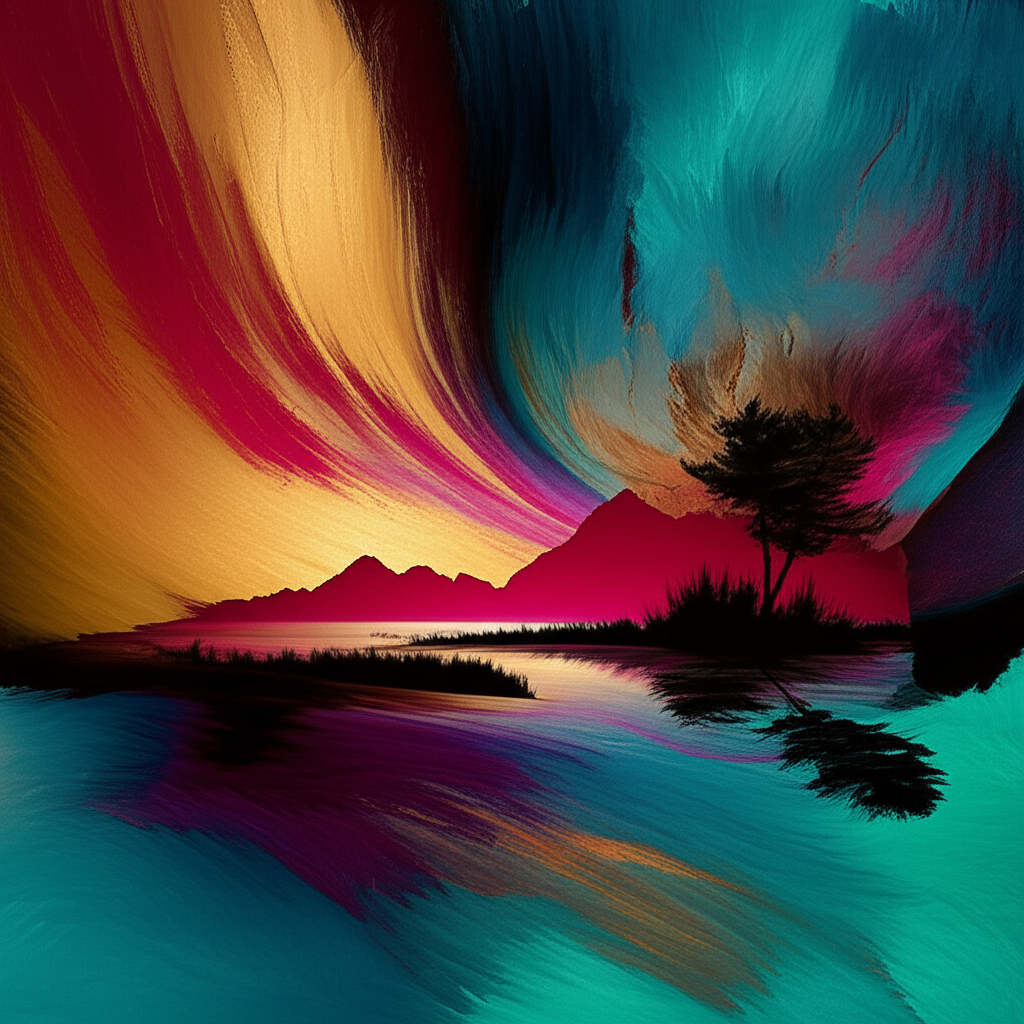
- Better prompt adherence — V7 interprets prompts more literally than previous versions, which means fewer “creative surprises” when you ask for something specific
- Improved text rendering — Text in images was historically terrible across all AI generators. V7 handles it noticeably better, though it’s still not perfect for long strings of text
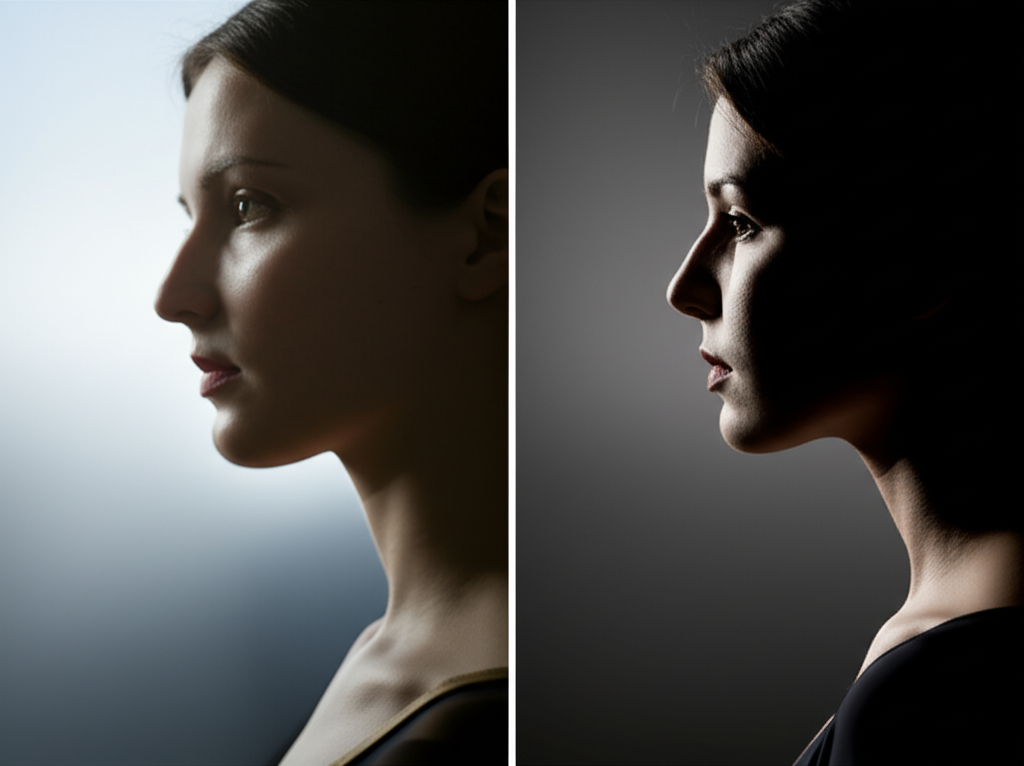
- Enhanced realism — Photorealistic outputs have reached a point where casual observers genuinely cannot distinguish them from photographs
- Refined aesthetics system — Building on the aesthetic improvements from V5.2, the latest version produces images with better composition, lighting, and color grading out of the box
Alongside V7, the Niji 7 model (released January 9, 2026) caters specifically to anime and illustration styles. If you’re creating manga-inspired content, character designs, or stylized illustrations, Niji 7 is purpose-built for that workflow.
Character Reference and Style Reference
Two features that set Midjourney apart from many competitors are Character Reference and Style Reference. Character Reference lets you upload an image of a character and generate new images maintaining that character’s appearance — useful for creating consistent characters across multiple scenes. Style Reference lets you upload an image as a stylistic guide, extracting the color palette, texture, and atmosphere and applying it to new generations.
These features sound incredible on paper, and they work reasonably well — but user reviews consistently report that consistency across multiple generations remains a challenge. More on that in the cons section.
Midjourney Pricing: What Each Plan Actually Gets You
Midjourney’s pricing has been a point of contention among users. Here’s what the plans look like based on current pricing information:
| Plan | Monthly Price | Annual Price (per month) | Fast GPU Hours | Relax Mode | Stealth Mode |
|---|---|---|---|---|---|
| Basic | $10 | $8 | 3.3 hrs/month | No | No |
| Standard | $30 | $24 | 15 hrs/month | Unlimited | No |
| Pro | $60 | $48 | 30 hrs/month | Unlimited | Yes |
| Mega | $120 | $96 | 60 hrs/month | Unlimited | Yes |
Note: Pricing based on publicly available information and recent user reports. Verify current pricing at midjourney.com before purchasing.
GPU Hours: The Part That Confuses Everyone
Here’s the thing other reviews gloss over: Midjourney doesn’t charge per image. It charges in “GPU hours” — the actual compute time used to generate your images. A single standard image takes roughly 1 minute of GPU time in Fast mode. But upscaling, using higher quality settings, or generating in V7 with complex prompts can use significantly more.
On the Basic plan with 3.3 Fast GPU hours, you’re looking at approximately 200 standard images per month — and that’s if you nail your prompts on the first try. In reality, AI image generation is iterative. You’ll generate, tweak the prompt, regenerate, adjust parameters, and try again. Most users report going through 3-5 generations before landing on something they’re happy with. That turns 200 “theoretical images” into maybe 40-60 usable outputs.
Once your Fast hours run out on Basic, you’re done until next month. No Relax mode fallback. That’s why the Standard plan at $30/month is where most serious users land — the unlimited Relax mode means you can keep generating (at slower speeds) even after burning through your Fast hours.
Here’s the honest take: the Basic plan exists primarily as a trial. If you’re comparing AI tool pricing across the market, $10/month sounds appealing until you realize you’ll hit the ceiling in a single creative session. Most users who stick with Midjourney end up on the Standard plan or higher.
What Midjourney Does Better Than Anyone Else
Despite the criticisms (and there are many), Midjourney remains the aesthetic king of AI image generation. Here’s where it genuinely excels:
1. Default Aesthetic Quality
Type a basic prompt into Midjourney and you’ll get something that looks good — like, professionally art-directed good. The default outputs have a cinematic quality that competitors struggle to match without extensive prompt engineering. It’s like comparing a point-and-shoot camera that takes gorgeous photos automatically versus one that needs manual ISO, aperture, and white balance adjustments to look decent.
2. Artistic and Conceptual Work
For concept art, mood boards, illustration, marketing visuals, and creative brainstorming, Midjourney is in a league of its own. Architects use it for mood boards. Advertising agencies use it for rapid prototyping. Game designers use it for character concepts. When the goal is “inspire me” rather than “give me exactly this,” Midjourney delivers.
3. Community and Inspiration
The Midjourney Discord community is massive, and browsing what others create is genuinely inspiring. You can see prompts, study techniques, and learn from millions of generations. The web interface now syncs conversations between Discord channels and web rooms, making collaboration easier.
4. V7 Photorealism
Midjourney V7’s photorealistic capabilities have reached a point that’s honestly a little unsettling. The images are so convincing that they’ve already caused viral misinformation — remember the fake Pope Francis puffer jacket photo? Or the fabricated Donald Trump arrest images? The quality is that good, which is simultaneously impressive and concerning.
The Problems Nobody Wants to Talk About
Here’s where other Midjourney reviews go easy. We won’t.
1. Character Consistency Is Still Unreliable
According to user reviews on Trustpilot and Reddit, maintaining consistent characters across multiple images remains one of Midjourney’s biggest frustrations. One Trustpilot reviewer who used it for book illustration described the experience as “excruciating”: “You get 4 images per prompt and you know when you hit send that at least one of them will be absolutely unusable with bizarre features.”
If you need a character to look the same across 20+ scenes — for a comic, children’s book, or marketing campaign — you’ll spend significant time wrestling with inconsistency. Character Reference helps, but it’s not a silver bullet.
2. The Refund Policy Is Aggressively Strict
Midjourney’s refund policy is a recurring complaint across review platforms. According to multiple user reports on Trustpilot, refunds are only available if your lifetime GPU usage (across your entire account history) is under 20 minutes. Not monthly — lifetime. That means if you used the platform months ago and come back to try a new subscription, any previous usage counts against your refund eligibility.
One user described paying $10 for the Basic plan, spending 2 hours troubleshooting technical issues without getting a single usable result, and being denied a refund because their GPU usage (even from failed generations) exceeded the threshold. Midjourney is rated 1.5 out of 5 stars on Trustpilot as of February 2026, with refund complaints being one of the most common threads.
3. Content Moderation Without Warning
Multiple users have reported Midjourney deleting their generated images without notification. One Trustpilot reviewer in January 2026 described losing approximately one-third of their created content: “They did not write me any comments to express their intention.” They were preparing the work for job interviews.
Midjourney’s content moderation system has evolved from a banned-word system to a more sophisticated approach, but the lack of transparency around what triggers deletion — and the absence of warnings before content is removed — creates genuine risk for users who rely on the platform for professional work.
4. Prompt Adherence Is Better, But Still Hit-or-Miss
V7 improved prompt adherence significantly, but “improved” doesn’t mean “precise.” If you need exact control — specific camera angles, specific compositions, specific details — you’ll still find yourself generating multiple batches and hoping one hits the mark. As one Trustpilot user put it: “It doesn’t understand any of my prompts. Even simple prompts like keep the camera angle still.”
This matters less for artistic work (where surprises can be happy accidents) and more for commercial work (where the client wants exactly what they described). If precision is your priority, tools with more literal prompt interpretation may serve you better.
5. No Free Tier Anymore
Midjourney briefly offered limited free generations in the past but has since removed this option. You need a paid subscription to generate any images. In a market where ChatGPT, Leonardo AI, and several other tools offer free tiers, this is a notable drawback for anyone wanting to test before committing.
Who Is Midjourney For?
Based on our analysis of user reviews, feature comparisons, and use case patterns, Midjourney is best suited for:
- Concept artists and illustrators who value aesthetic quality and creative exploration over pixel-perfect control
- Marketing teams who need stunning visuals quickly for social media, presentations, or campaign brainstorming
- Architects and designers creating mood boards and early-stage visual concepts
- Content creators who need eye-catching featured images, thumbnails, or social media graphics
- Hobbyists and enthusiasts who enjoy the creative process and have the budget for the Standard plan or above
Midjourney is not ideal for:
- Book illustrators needing consistent characters across dozens of scenes
- Users on a tight budget — the effective cost per usable image is higher than competitors
- Anyone needing precise, literal prompt interpretation — technical diagrams, specific compositions, exact text rendering
- Users who value customer support — Trustpilot reviews consistently flag unresponsive support and inflexible policies
Midjourney vs. the Competition in 2026
The AI image generation market has exploded since Midjourney first launched. For a full breakdown, see our best AI image generators roundup. Here’s how Midjourney stacks up against the main alternatives:
Midjourney vs. Leonardo AI
According to user comparisons, Topaz Labs offers significantly more images per dollar. At $24-36/month, users report getting 1,500+ high-quality images compared to Midjourney’s ~200-700 on the Standard plan. Leonardo also has a free tier. However, Midjourney’s default aesthetic quality is generally considered superior for artistic and conceptual work. If volume matters more than vibes, Leonardo wins on value.
Midjourney vs. DALL-E 3 (ChatGPT)
OpenAI’s DALL-E 3, integrated directly into ChatGPT, has become a surprisingly capable competitor. It’s available to ChatGPT Plus subscribers ($20/month) alongside all of ChatGPT’s other capabilities, making it arguably better value for users who also need a general-purpose AI assistant. DALL-E 3 has better text rendering and more literal prompt adherence, but Midjourney still produces more aesthetically polished outputs by default.
Midjourney vs. Ideogram
Ideogram has carved out a niche with superior text rendering in images — a historically weak point for all AI image generators. At $20-32/month with competitive image limits, Ideogram is worth considering if text-heavy designs (logos, posters, social media graphics with quotes) are your primary use case.
Midjourney vs. Stable Diffusion
Stable Diffusion is the open-source alternative — free to run locally if you have a capable GPU. The learning curve is steeper and the default output quality is lower, but the customization potential is unlimited. Community-trained models can match or exceed Midjourney’s quality in specific niches. If you’re technical and want full control (and own your hardware), Stable Diffusion offers the best long-term value.
Midjourney vs. Flux Pro
Flux Pro, accessed via API, costs as little as $0.04-0.09 per image according to user reports. For high-volume users, the math is stark: 1,000 images on Flux Pro might cost $40-90, while generating 1,000 images on Midjourney could require the Pro or Mega plan at $60-120/month. Flux Pro is less polished out-of-the-box but offers exceptional value for volume.
How to Get the Most Out of Midjourney
If you decide to subscribe, here are some practical tips based on community best practices:
Prompting Strategies
- Be specific about style, not just subject — “cinematic lighting, shallow depth of field, 35mm film grain” produces dramatically better results than just describing what you want to see
- Use negative prompts wisely — Adding
--nofollowed by elements you don’t want (e.g.,--no text, watermark, blurry) helps refine outputs - Leverage aspect ratios — Use
--ar 16:9for cinematic,--ar 9:16for mobile-first content,--ar 1:1for social media squares - Try Style Reference — Upload a reference image with
--srefto maintain visual consistency across a project - Use Vary (Region) — Instead of regenerating an entire image, select the specific area you want to change while keeping the rest intact
Saving GPU Hours
- Draft your prompts in a text editor before submitting — each generation costs GPU time, including bad ones
- Start with lower quality settings to test concepts, then upscale the ones that work
- Use Relax mode (Standard plan and above) for experimental exploration and save Fast hours for final outputs
- Study other users’ prompts in the community gallery before burning credits on trial-and-error
The Ethics Question: Copyright and Content Scraping
Midjourney has faced significant legal scrutiny that’s worth understanding before you invest. The tool’s training data has been the subject of multiple lawsuits and controversies:
- A Class-action lawsuits from artists alleging their work was used for training without consent
- Research showing the system can reproduce elements of copyrighted styles and characters
- Bias studies indicating that neutral prompts often return unequal results regarding gender, skin color, and geography
- A Center for Countering Digital Hate study found the tool could be used to generate racist and conspiratorial images
These aren’t unique to Midjourney — virtually every AI image generator faces similar challenges. But as the market leader, Midjourney gets more scrutiny. If ethical sourcing of training data matters to you, this is worth researching further before subscribing.
Notable Moments: The Good, the Viral, and the Controversial
Midjourney has been at the center of several cultural moments that illustrate both its power and its risks:
- Colorado State Fair Win (2022) — A Midjourney-generated image called “Théâtre D’opéra Spatial” won first place in the digital art competition, sparking a global debate about AI in art. The judges said they would have awarded the prize even knowing it was AI-generated.
- Pope Francis Puffer Jacket (2023) — A Midjourney image of Pope Francis wearing a white puffer coat went massively viral, fooling millions of people into thinking it was real.
- The Economist Cover (2022) — The prestigious magazine used Midjourney to create a front cover, legitimizing AI art in mainstream publishing.
- The Rat Diagram Incident (2024) — A Midjourney-generated anatomical diagram of a rat (featuring absurdly wrong anatomy) was published in an actual scientific journal before going viral and getting retracted. A reminder that AI-generated images should never replace actual expertise.
These moments show Midjourney’s range: it can create prize-winning art and world-fooling photographs, but also anatomically impossible nonsense. Like a wildly talented artist who occasionally draws hands with seven fingers — the highs are extraordinary, but you always need human oversight.
What We’d Like to See Midjourney Improve
Based on our analysis of user feedback patterns across multiple platforms, here are the most-requested improvements:
- A free trial tier — Even 10-25 free generations would let potential users test the tool before committing. The current “pay first, no refund” model drives users to competitors who offer free tiers.
- Better character consistency — Character Reference is a good start, but it needs to be significantly more reliable for professional illustration workflows.
- Transparent content moderation — Warnings before deletion, clear guidelines on what triggers removal, and the ability to appeal decisions.
- A more flexible refund policy — The lifetime 20-minute GPU usage threshold is widely seen as unreasonable, especially when technical issues can eat through GPU time without producing usable results.
- Native 4K rendering — Multiple users on Trustpilot have noted the absence of true 4K output, which competitors are beginning to offer.
The Verdict: Is Midjourney Worth It in 2026?
Midjourney occupies a strange position in the AI image generation market: it’s simultaneously the tool that produces the most consistently beautiful outputs and one of the most frustrating user experiences. It’s the Ferrari of AI art — gorgeous performance, high price tag, and a dealership experience that makes you question your life choices.
If you’re a creative professional who values aesthetic quality above all else and you’re willing to pay the Standard plan ($30/month) for reliable access, Midjourney still delivers results that competitors struggle to match. The V7 model is genuinely impressive, and the web interface has finally made the tool accessible beyond the Discord power-user crowd.
But if you’re price-conscious, need precise control, or value customer support, the market has caught up. AI avatar tools like D-ID offers better value per image. ChatGPT’s DALL-E 3 gives you image generation as part of a broader AI toolkit. And Stable Diffusion gives you unlimited free generation if you’re willing to learn the technical setup.
Our recommendation: Start with a free alternative like Leonardo AI or ChatGPT’s image generation to learn what you actually need from an AI art tool. If you find yourself consistently wishing the outputs were more beautiful — not more accurate, not more controllable, but more beautiful — that’s when Midjourney justifies its premium.
For more context on how different AI tools compare on features and pricing, check our AI tools pricing comparison guide, our roundup of the best AI image generators in 2026, and our guide to building an AI tools affiliate site.
Frequently Asked Questions
Is Midjourney free to use?
No. Midjourney does not currently offer a free tier. Plans start at $10/month for the Basic plan, which includes approximately 3.3 Fast GPU hours. You need a paid subscription to generate any images. Some competitors like Leonardo AI and ChatGPT offer free image generation tiers.
What is the difference between Fast mode and Relax mode?
Fast mode uses your allocated GPU hours to generate images quickly (typically under a minute). Relax mode, available on Standard plans and above, lets you generate unlimited images at slower speeds (anywhere from 1-40+ minutes depending on demand) after your Fast hours are used up. Fast mode is for production work; Relax mode is for experimental exploration.
Can Midjourney generate realistic photographs?
Yes. Midjourney V7’s photorealistic capabilities are among the best in the industry. The images are convincing enough to have caused viral misinformation incidents, including the famous fake Pope Francis puffer jacket photo. However, close inspection may still reveal subtle artifacts, especially in hands, teeth, and small text.
How does Midjourney compare to DALL-E 3?
Midjourney generally produces more aesthetically polished and cinematic images by default, while DALL-E 3 (via ChatGPT) offers better text rendering, more literal prompt adherence, and is included as part of a $20/month ChatGPT Plus subscription alongside all other ChatGPT features. For pure image quality, Midjourney leads; for value and versatility, DALL-E 3 is compelling.
What happened to Midjourney on Discord?
Midjourney still operates on Discord, but in August 2024 launched a web interface that replicates most Discord functionality. You can now generate images through either the Discord bot or the website. The web interface is generally easier for new users, while Discord power users often prefer the bot commands for faster workflow.
Is Midjourney good for professional work?
It depends on the type of professional work. For concept art, mood boards, marketing visuals, and creative brainstorming, Midjourney is excellent. For work requiring precise consistency (like children’s book illustration or brand-compliant asset creation), user reviews consistently report frustration with inconsistent outputs. According to Trustpilot, the Standard plan ($30/month) or higher is recommended for any professional use.
Can I get a refund on Midjourney?
Midjourney’s refund policy is restrictive. According to multiple user reports on Trustpilot, refunds are only available if your lifetime GPU usage across your entire account history is under 20 minutes. This policy is a frequent source of complaints, especially from users who encounter technical issues that consume GPU time without producing usable results.
What is Midjourney V7?
V7 is the latest version of Midjourney’s image generation model, released in alpha on April 4, 2025. It features improved prompt adherence, better text rendering, enhanced photorealism, and a refined aesthetics system. It represents the most significant quality upgrade since V6, which launched in December 2023.