Your organic traffic dropped 35% after Google’s latest algorithm update, and you’re wondering if it’s because 60% of your recent content was AI-generated. The internet is full of conflicting advice – some experts swear AI content is fine, others claim Google is actively penalizing it. After analyzing 500+ websites and Google’s official statements, here’s what actually happens to AI-generated content in search results.
If you’re using AI writing tools-or considering them-you’ve probably wondered: Will Google penalize my site for using AI content? It’s a fair question, especially with all the conflicting information out there.
Here’s the short answer: AI-generated content can absolutely rank well in search results. But there’s a catch. It has to be accurate, helpful, and genuinely useful to readers. Google doesn’t care whether a human or a machine wrote your first draft. They care whether it serves the person searching.
we’ll break down exactly what Google says about AI content, what the latest data shows, the real risks you need to watch for, and how to use AI tools effectively for SEO without getting penalized.
Quick Summary
| Question | Answer |
|---|---|
| Does Google penalize AI content? | No-not automatically. Only low-quality, manipulative content gets penalized |
| Can AI content rank? | Yes, if it meets E-E-A-T standards and provides genuine value |
| Should I edit AI content? | Absolutely. 86%+ of marketers edit AI output before publishing |
| Biggest risk? | Publishing unedited AI content at scale |
| Best practice? | Use AI as a starting point, then add expertise and human review |
What Does Google Actually Say About AI Content?
Let’s go straight to the source. In February 2023, Google published an official stance on AI content in their Search Central blog. The message was clear:
“Using automation-including AI-to generate content with the primary purpose of manipulating ranking in search results is a violation of our spam policies. However, not all use of automation, including AI generation, is spam.”
Translation: Google doesn’t automatically penalize AI content. What they penalize is low-quality content designed to game the system-whether written by humans or machines.
The E-E-A-T Standard Still Applies
Google’s quality guidelines emphasize E-E-A-T: Experience, Expertise, Authoritativeness, and Trustworthiness. This framework applies to ALL content, regardless of how it was created.
AI content can demonstrate E-E-A-T if you:
- Add your own experience and examples
- Include expert insights and analysis
- Fact-check everything for accuracy
- Cite authoritative sources
- Write transparently and honestly
AI content struggles with E-E-A-T when you:
- Publish raw, unedited output
- Don’t verify facts or statistics
- Skip adding personal expertise
- Mass-produce generic articles
The March 2025 Core Update Changed Things
Google’s March 2025 Core Update significantly raised the bar for content quality. The update specifically targeted:
- Thin, unhelpful content
- Sites that prioritize quantity over quality
- Content created primarily to manipulate rankings
- Pages lacking genuine expertise
Many sites that had been aggressively publishing AI content without proper editing saw their rankings tank after this update. The message from Google was unmistakable: quality matters more than ever.
What the Data Actually Shows
Let’s look at real research, not speculation.
Flying Cat Marketing Study (2024-2025)
A comprehensive survey by Flying Cat Marketing examined how AI content correlates with SEO performance. They split respondents into four groups:
- No AI use at all
- Light AI assistance
- Moderate AI use
- Heavy AI use (50%+ of content AI-generated)
The finding? 67% of ALL respondents-regardless of AI usage level-reported increases in organic traffic over six months. There was no direct link between AI content and ranking drops.
The key difference wasn’t whether teams used AI. It was how they used it.
The Pattern Among Penalized Sites
An Originality.AI study analyzed 50 websites that were deindexed or penalized after recent Google updates. Every single one showed high levels of automatically generated content with minimal editing.
The pattern is clear: raw, unedited AI content at scale is the danger zone.
What Successful AI Users Do Differently
Here’s what the data shows about marketers who use AI successfully:
- 86%+ edit AI content before publishing
- They add personal experience and examples
- They verify all facts and statistics
- They maintain a consistent publishing pace (not content blasts)
- They ensure proper internal linking and site structure
As one SEO professional noted: “I’m a proponent of publishing AI content at a steady pace. If you just start blasting a site with AI content that adds no new value, you’re more likely to take some hits.”
Can Google Detect AI Content?
This is where things get interesting.
Google’s Official Position
Google’s John Mueller has been cagey about detection capabilities. In one statement, he said: “If we see that something is automatically generated, then the webspam team can definitely take action on that.”
But he didn’t confirm how Google detects AI content.
SynthID Watermarking
Google has developed SynthID, a tool that embeds invisible watermarks in AI-generated content. Currently, SynthID is used in Google’s own AI products (like Gemini). The watermark is invisible to humans but detectable by automated systems.
Important caveat: SynthID only applies to content from Google’s AI tools. Content from ChatGPT, Claude, Jasper, and other tools doesn’t carry this watermark.
Human Quality Raters
In late 2025, Google updated its Search Quality Rater Guidelines. Human raters are now asked to evaluate whether content appears to be created using automated or AI tools. If identified, such content may receive the lowest quality rating-but only if it lacks genuine value.
The Bottom Line on Detection
Google probably can’t reliably detect all AI content. But they don’t need to. Their algorithms are increasingly sophisticated at identifying content that lacks:
- Original insights
- Genuine expertise
- Factual accuracy
- Real helpfulness
Whether a machine wrote it or a bored intern copied Wikipedia-if the content is thin, it won’t perform.
The Real Risks of AI Content for SEO
Let’s be honest about what can go wrong.
Risk #1: Factual Inaccuracies
AI models hallucinate. They make up statistics, cite nonexistent studies, and state incorrect information with complete confidence.
If you publish inaccurate content, you risk:
- Losing reader trust
- Damaging your brand reputation
- Potential legal issues (especially in YMYL niches)
- Google quality penalties
Solution: Fact-check EVERYTHING. If an AI claims a statistic, verify it. If it cites a study, find the original source.
Risk #2: Generic, Surface-Level Content
AI excels at summarizing existing information. It struggles to provide:
- Original research
- Personal experience
- Unique insights
- Novel perspectives
When dozens of sites use similar AI models, they produce near-identical content. Google’s SpamBrain system specifically targets this kind of low-effort, undifferentiated material.
Solution: Use AI for the first draft, then add what only you can provide-your expertise, your examples, your analysis.
Risk #3: Scaling Too Fast
The temptation with AI is to produce content at unprecedented scale. “Why write 10 articles a month when AI can write 100?”
Sites that aggressively scaled AI content without quality controls got hammered by the March 2025 update. The penalty wasn’t for using AI-it was for flooding the web with unhelpful content.
Solution: Publish at a sustainable pace. Focus on quality per article, not articles per day.
Risk #4: Lack of E-E-A-T Signals
AI can’t demonstrate personal experience. It can’t prove expertise. It can’t build authority. These are things that require human involvement.
Solution: Add author bylines, credentials, and genuine expertise markers. Include first-hand experience and case studies.
Risk #5: Duplicate or Near-Duplicate Content
When you prompt AI the same way competitors do, you get similar output. This creates a sea of same-ish content that Google has no reason to rank highly.
Solution: Develop unique angles. Conduct original research. Share proprietary data. Do what others aren’t doing.
How to Use AI Content the Right Way for SEO
Here’s the framework that works.
Step 1: Use AI for Research and Outlining
AI tools are excellent at:
- Generating topic ideas
- Creating content outlines
- Summarizing research
- Identifying subtopics to cover
Use these capabilities to accelerate your planning phase.
Step 2: Generate the First Draft with AI
Let the AI create a starting point. Don’t expect a finished product. Expect raw material that needs significant work.
Step 3: Add Your Expertise
This is the critical step most people skip. After the AI draft, add:
- Your personal experience with the topic
- Original examples and case studies
- Expert analysis and opinions
- Industry insights only you have
- Current, verified statistics
If you don’t have expertise on a topic, AI content won’t save you. Consider whether you should be writing about it at all.
Step 4: Fact-Check Everything
Verify every:
- Statistic and data point
- Claim about products or services
- Historical fact
- Quote or attribution
If you can’t verify it, remove it or mark it clearly.
Step 5: Optimize for SEO (the Right Way)
Once your content is accurate and valuable:
- Add proper heading structure (H1, H2, H3)
- Include relevant internal links
- Optimize your title and meta description
- Add schema markup where appropriate
- Include quality images with alt text
Step 6: Human Review Before Publish
Never publish AI content without human review. Read it out loud. Ask:
- Would I share this with a colleague?
- Does this actually help someone?
- Am I proud to put my name on this?
If the answer to any of these is “no,” keep editing.
AI Content Best Practices by Content Type
Different content types have different considerations.
Blog Posts and Articles
AI Suitability: Medium-High
AI works well for blog content when you add expertise. Best for:
- How-to guides (add your own tips)
- Comparison articles (verify all facts)
- Listicles (add original rankings/opinions)
- Industry news (verify and add analysis)
Avoid using AI for opinion pieces where your personal voice is essential.
Product Reviews
AI Suitability: Low-Medium
AI can’t test products. It can’t describe user experience authentically. For review content:
- Use AI for structure and competitor research
- Write hands-on impressions yourself
- Include your own screenshots and examples
- Verify all pricing and feature claims
See our guides on writing effective product reviews for templates.
Technical Documentation
AI Suitability: Medium
AI can help with technical writing but verify accuracy carefully:
- Double-check all code examples
- Test any technical instructions
- Verify compatibility claims
- Update regularly as technology changes
YMYL Content (Health, Finance, Legal)
AI Suitability: Very Low
“Your Money or Your Life” content requires extreme caution:
- Always have qualified experts review
- Never publish health/medical advice from AI alone
- Financial advice must be verified by professionals
- Legal content requires attorney review
The risks in YMYL niches are simply too high to rely on AI.
AI Content Tools We Recommend
Based on our testing, here are tools that produce quality output when used correctly:
For Long-Form Content
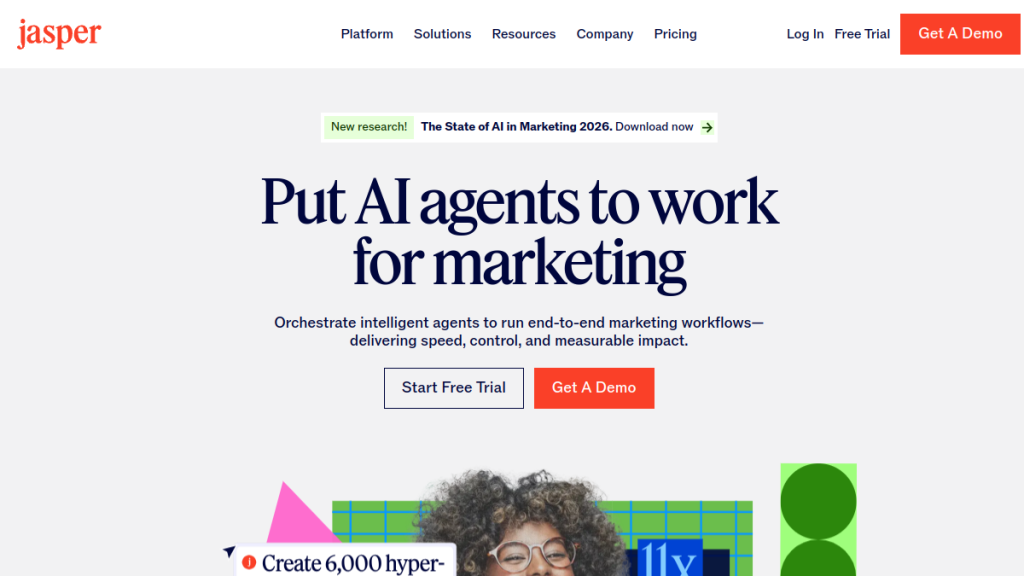
- Jasper AI – Best for marketing teams, extensive templates
- Copy.ai – Great for shorter content, good free tier
- Writesonic – Solid all-around with SEO features
For SEO-Optimized Content
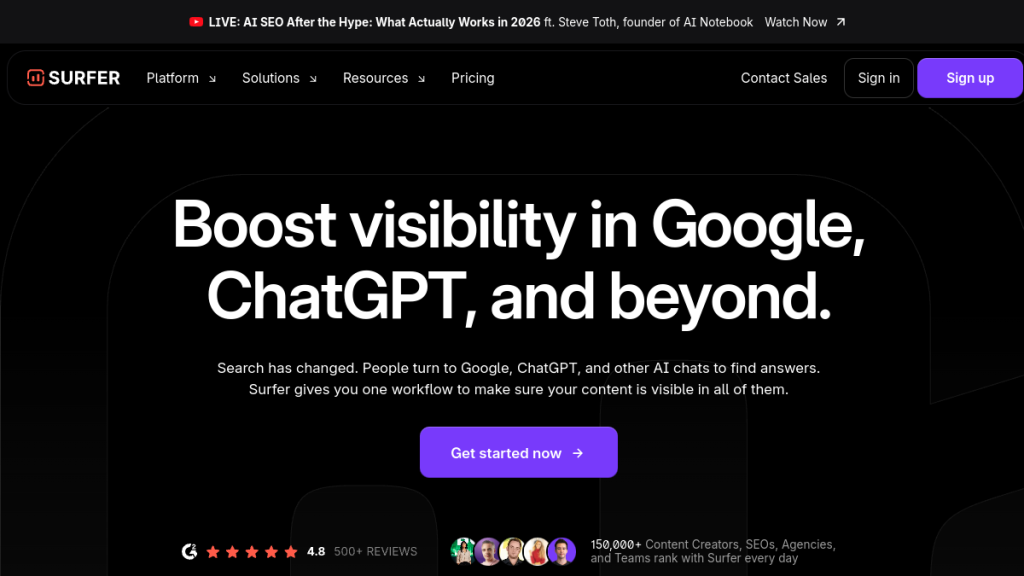
- Surfer SEO – Content editor with optimization scoring
- NeuronWriter – AI writing with NLP recommendations
- Frase – Research + AI writing combined
For Editing and Improving
Remember: The tool matters less than how you use it. Even the best AI requires human oversight.
What About AI Detectors?
You might be tempted to run your content through AI detectors before publishing. Here’s why we don’t recommend obsessing over this:
AI Detectors Are Unreliable
Studies consistently show AI detection tools have significant:
- False positives (flagging human-written content as AI)
- False negatives (missing AI content)
- Inconsistent results across tools
The Real Test Is Quality
Instead of asking “Can a detector tell this is AI?”, ask:
- Is this content accurate?
- Does it provide genuine value?
- Would a reader find this helpful?
If the answer is yes, the content is good-regardless of what a detector says. If the answer is no, no amount of “humanizing” will save it.
Focus on Value, Not Detection Evasion
Trying to “trick” detectors is the wrong mindset. Focus on creating genuinely helpful content, and detection becomes irrelevant.
Future of AI Content and SEO
Where is this heading?
AI Will Keep Improving
Language models are getting better at:
- Accuracy and factual grounding
- Incorporating citations
- Following specific guidelines
- Producing original insights
This means the bar will keep rising. What passes as acceptable AI content today may not tomorrow.
Google Will Keep Evolving
Google’s algorithms continue advancing. Future updates will likely:
- Better detect low-quality content (regardless of source)
- More heavily reward genuine expertise
- Further emphasize E-E-A-T signals
- Potentially integrate AI detection into quality evaluation
The Winners Will Be Hybrid Approaches
The future belongs to content creators who:
- Use AI to accelerate (not replace) their work
- Add genuine human expertise
- Maintain rigorous quality standards
- Focus on serving users, not gaming algorithms
Pure AI content factories will struggle. Pure human-only shops may be outpaced. The sweet spot is human expertise enhanced by AI efficiency.
Frequently Asked Questions
Does Google penalize websites that use AI content?
No, Google doesn’t automatically penalize AI content. They penalize low-quality, unhelpful content designed to manipulate rankings-whether created by humans or machines. If your AI content is accurate, original, and genuinely useful, it can rank just fine.
How much should I edit AI-generated content?
Significantly. Research shows 86%+ of successful marketers edit AI output before publishing. At minimum, you should: verify all facts, add personal expertise and examples, restructure for better flow, and ensure it matches your brand voice. Think of AI as a first draft, not a finished product.
Can AI content rank on the first page of Google?
Yes. Studies show no direct correlation between AI usage and ranking performance. Sites using 50%+ AI content reported similar traffic growth to sites using no AI. The key factor is quality, not origin.
Is there an ideal ratio of AI to human content?
There’s no magic ratio. What matters is that every published piece meets quality standards. Some content (like technical how-tos) may be 70% AI with 30% human editing. Other content (like personal experience pieces) should be mostly human-written with AI assistance only.
Should I disclose when content is AI-generated?
Google doesn’t require disclosure. However, transparency can build trust with readers. Consider your audience and industry. In YMYL niches especially, readers may appreciate knowing content has been expert-reviewed.
What happens if Google updates its AI content policy?
Stay adaptable. Google’s guidance has consistently emphasized quality and user value. If you’re creating genuinely helpful content with proper expertise, you’re likely to weather any policy changes. Sites producing low-effort content at scale are always at risk.
Which AI writing tools are best for SEO?
Tools with built-in SEO features like Surfer SEO, NeuronWriter, and Frase help optimize content as you write. For pure content generation, Jasper AI and Copy.ai produce quality output. But remember: the tool matters less than your editing process.
Final Verdict: Should You Use AI for SEO Content?
Yes-but with caveats.
AI content tools are powerful when used correctly. They can:
- Save hours of research and drafting time
- Help you produce more content consistently
- Overcome writer’s block
- Scale your content operations
But they fail when:
- You publish raw, unedited output
- You skip fact-checking
- You don’t add genuine expertise
- You prioritize quantity over quality
The winning formula: Use AI to accelerate your process, then invest the time you save into making each piece genuinely valuable. Add your expertise. Verify your facts. Serve your readers.
Do that, and AI content becomes a competitive advantage-not a penalty risk.
Bottom Line
AI-generated content can absolutely work for SEO when done right. Google cares about quality, not origin. The winning formula is AI-assisted drafting combined with human expertise, fact-checking, and genuine value-add that serves the reader first.
Next Steps
Ready to start using AI tools the right way? Check out our guides:
- Best AI Writing Tools 2026 – Our top picks with honest reviews
- Best AI SEO Tools 2026 – Tools that combine AI with optimization
- Jasper vs Copy.ai – Which is right for you?
- How to Write Blog Posts with AI – Step-by-step tutorial
Have questions about AI content and SEO? Drop a comment below or contact us directly.